
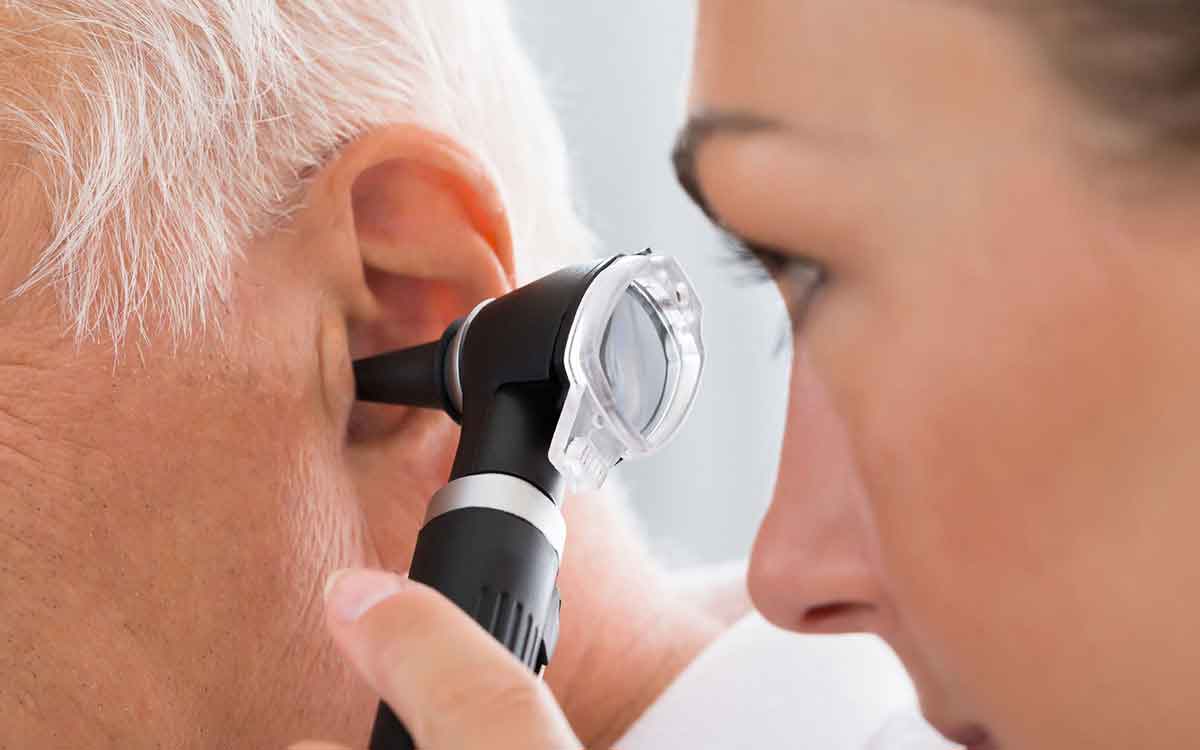
The insidious nature of hearing loss often causes preliminary symptoms to be ignored. It is common for people to adapt to auditory changes by elevating device volume and steering clear of gatherings with significant background noise.
Still, the prompt identification of hearing loss signs is necessary for protecting your hearing.
Common Symptoms of Early Hearing Loss
If you notice any of the listed clinical signs, it is recommended to have your hearing checked.
- Difficulty comprehending speech, especially in noisy environments with a lot of activity.
- A regular need of requesting clarification during conversation.
- Hearing muffled or slurred speech where sounds lack definition.
- Turning up the volume on the TV, phone, or radio higher than others prefer.
- Decreased perception of high-pitched stimuli like children’s speech or household alerts.
- The presence of tinnitus, characterized by ringing or buzzing in the ears.
- Feeling cognitively fatigued after social interactions, resulting from the strain of auditory processing.
- Retreating from group interactions as conversational tracking becomes difficult.
Preliminary indicators of auditory decline may appear in either one or both ears and vary in frequency initially. Due to the brain’s ability to adjust, many individuals stay oblivious of their subconscious adaptations until the impairment advances.
Hearing Loss By The Numbers
According to official WHO data, over 700 million people will require hearing rehabilitation by 2050. Other noteworthy statistics involve:
- By 2050, nearly 2.5 billion people are projected to experience various levels of hearing loss.
- More than five percent of the global community (roughly 430 million people) requires rehabilitation to manage disabling hearing loss.
- In excess of 1 billion young adults face the threat of permanent hearing loss resulting from unsafe listening practices.
- Among those over the age of sixty, more than one-quarter suffer from clinically significant hearing loss.
Why Early Detection is Key
If left untreated, hearing loss may affect various aspects of your health outside of auditory function.
Data confirms a link between auditory impairment and an increased likelihood of cognitive decline and diminished balance.
Treating symptoms early allows for a broader range of interventions and improved clinical results.
A professional assessment clarifies if hearing fluctuations are caused by noise damage, earwax impaction, or different medical factors.
In some cases, auditory shifts are temporary and treatable.
In permanent cases, the timely use of hearing protection or hearing technology assists in managing the condition.
Guidelines for Consulting an Audiologist
Professional consultation is suggested if you experience:
- Symptoms last longer than a few weeks.
- Changes in hearing impact occupational performance and social life.
- If you encounter sudden hearing loss, dizziness, or persistent tinnitus (which requires immediate attention).
Auditory screenings are painless and noninvasive, additionally they offer critical data into your hearing health.
Please contact our audiology team if you are interested in arranging a formal hearing test.
Auditory Health FAQ: Initial Symptoms
Question: Does hearing loss only occur with aging?
Answer: No. While common in seniors, hearing impairment can be caused by medications, loud noise, infections, or hereditary conditions.
Q: Can auditory impairment be clinically reversed?
Answer: Certain etiologies, such as earwax impaction or localized infection, are treatable. Other types are permanent but can often be effectively managed with treatment or hearing devices.
Question: What is the recommended frequency for hearing screenings?
A: Adults should have a baseline hearing test by age 50, or earlier if symptoms or risk factors are present.